

Tips for Choosing the Right Location for Your Business Signs
Placing commercial signs in the correct geographical spot remains a fundamental element of a successful retail marketing strategy. A company's physical display acts as a constant visual communicator, working around the clock to capture public attention and guide prospective clients directly to the entrance. Choosing where to mount these assets represents a critical decision that influences neighborhood foot traffic and strengthens brand awareness within a community.
Proper visual positioning ensures that a marketing message reaches the intended consumer group at the most opportune moment. Failing to evaluate external elements like environmental clutter, regional traffic flows, and municipal constraints can severely reduce the efficacy of an otherwise brilliant promotional campaign. Taking a systematic approach to site selection allows business owners to maximize their marketing investments and establish a highly visible local presence.
Analyze Your Target Audience
Understanding the specific demographics of a target consumer group forms the cornerstone of any effective physical placement strategy. Establishments must carefully study where their ideal clients live, work, and spend their leisure hours to position marketing signs where daily exposure is virtually guaranteed. For instance, a modern clothing boutique focusing on young professionals achieves superior outcomes when placing marketing displays near popular urban transit hubs rather than quiet suburban neighborhoods. Engaging with community members through local events provides deeper insights into these regional consumer habits.
Beyond basic demographic analysis, evaluating specific behavioral trends reveals the exact paths that potential buyers travel during the week. Determining whether your core market prefers walking through downtown corridors or driving along major highways informs the ideal height, angle, and style of your physical displays. Aligning storefront presentations with these established consumer routines ensures that your commercial messaging greets prospects naturally as they go about their day, which significantly increases brand familiarity and trust over time.
Immersing corporate operations within a neighborhood profile yields helpful insights regarding community expectations and cultural values. Every distinct region maintains unique visual preferences that heavily influence how individuals perceive and respond to corporate branding efforts. By tailoring a commercial presentation to reflect these local sentiments, an enterprise demonstrates respect for the area, establishing an inclusive brand presence that cultivates long-term customer loyalty and positive word-of-mouth recommendations.
Track Local Traffic Patterns
Assessing the movement of pedestrian and vehicular traffic around an establishment identifies high-visibility zones that promise maximum exposure for your signs. Busy street intersections, public transportation centers, and primary commuting roads offer excellent opportunities for capturing consumer attention throughout the day. Strategic placement near these bustling transit pathways ensures that a corporate message achieves constant visibility, transforming casual daily commuters into regular clients who recognize the business easily.
Evaluating minor roads and secondary pathways can also uncover profitable placement opportunities that competing enterprises frequently overlook. Slower travel speeds in parking structures or pedestrian walkways allow individuals more time to read and thoroughly comprehend promotional text. Mapping these alternative routes provides a comprehensive visibility strategy that catches potential buyers when they are relaxed and less distracted by chaotic main-road environments.
Conducting a thorough competitive analysis helps businesses avoid overcrowded areas where corporate messages might get lost in a sea of advertisements. Observing where nearby rivals place their marketing assets allows you to identify structural gaps and capitalize on untapped geographical locations. Positioning storefront displays away from direct competitors prevents visual friction and establishes a distinctive market presence within the local economic ecosystem.
Maximize Visual Clear Sightlines
Ensuring an unobstructed view from major vantage points remains a vital factor in determining the long-term success of commercial signs. Natural barriers such as growing trees, adjacent building extensions, or pre-existing utility poles can easily block views and reduce marketing effectiveness. Performing regular physical surveys from multiple approach angles helps identify these visual obstacles before finalizing a permanent installation site.
Accounting for human visual habits and natural pedestrian eye lines ensures that promotional displays capture public attention instinctively. People rarely look far above or below their normal line of vision while walking through busy commercial shopping districts. Placing primary marketing materials within these natural gaze zones increases message recall and encourages spontaneous storefront visits from casual shoppers passing by the building.
Adapting structural placement to accommodate varying travel speeds is essential for maintaining clear visibility for both motorists and pedestrians. Drivers traveling at highway speeds require large, elevated installations positioned far in advance to allow adequate reaction time. Conversely, slower foot traffic responds much better to intimate, eye-level displays that provide detailed descriptions of available products or special services.
Optimize Sign Design Elements
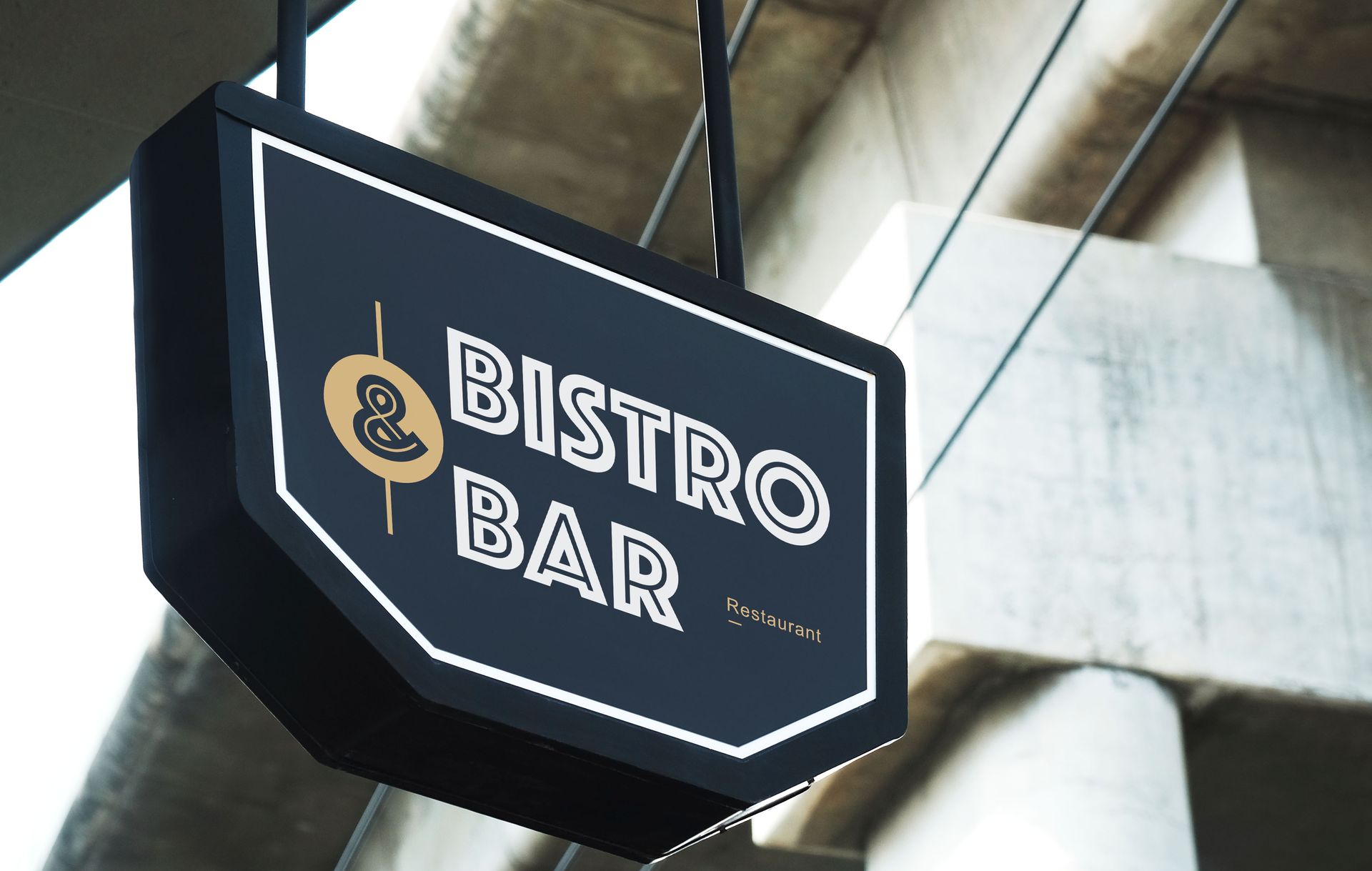
Utilizing high color contrast and deliberate typography enhances readability, ensuring these signs remain legible from significant distances. Dark text set against a light background prevents visual blending and allows rapid comprehension for busy commuters traveling past the storefront. Selecting clean, bold, sans-serif fonts reduces eye strain and helps your corporate message stand out within cluttered commercial environments.
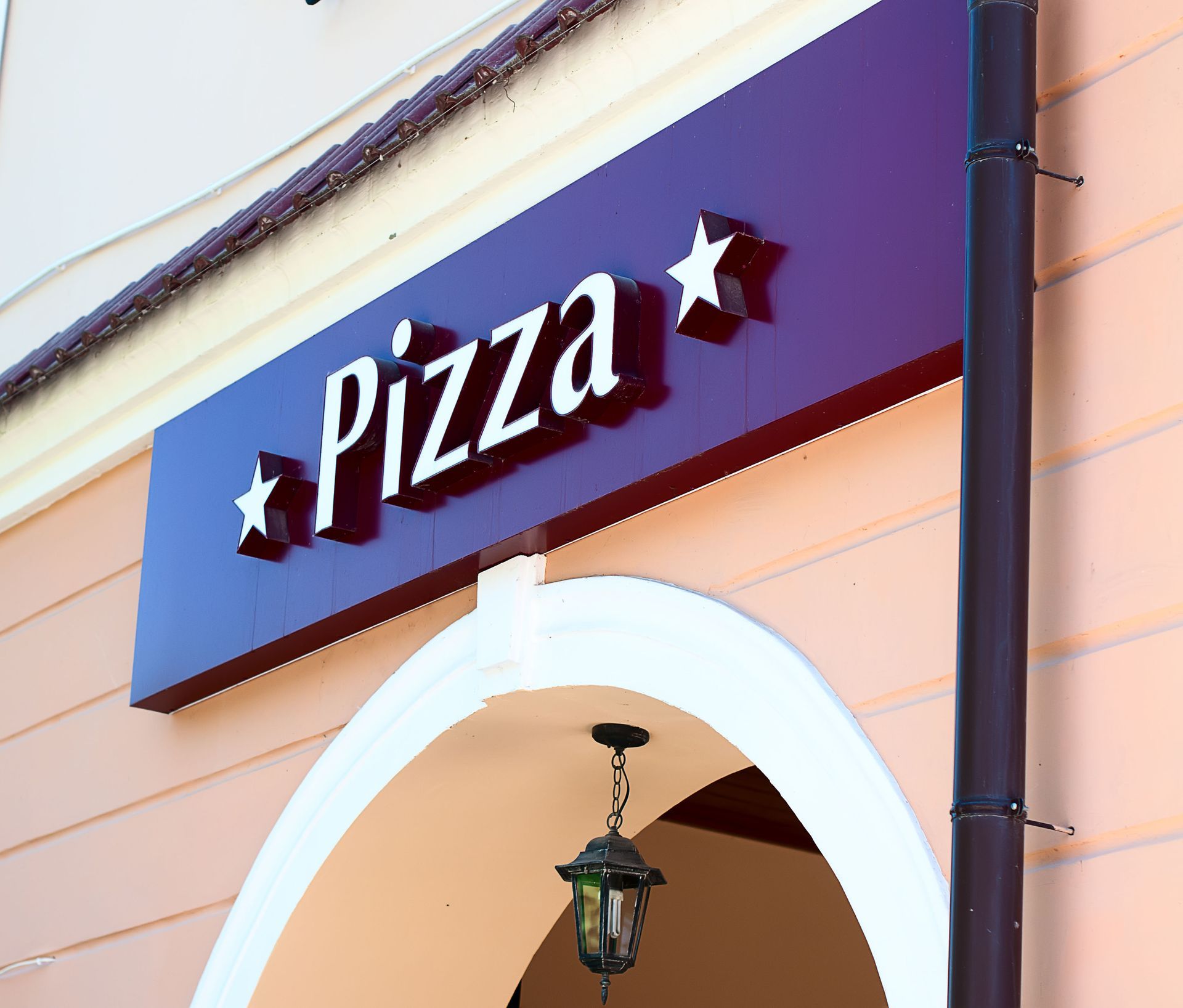
Incorporating proper illumination techniques extends the reach of marketing efforts into the late evening and early morning hours. Well-placed LED lighting or sophisticated backlighting transforms an ordinary storefront display into a striking local landmark after dark. Balancing internal illumination with surrounding ambient streetlights prevents harsh glare and maintains clear message definition throughout the night, attracting nighttime consumers effectively.
Integrating recognizable corporate colors and iconic imagery creates an attractive aesthetic that reinforces brand awareness within the community. Visually appealing layouts capture public interest far better than plain text, leaving a lasting impression on prospective clients. Aligning these design choices with a broader corporate identity establishes a cohesive visual presence that inspires consumer trust and market confidence.
Investigate Municipal Zoning Laws
Reviewing local ordinances before manufacturing promotional signs prevents costly legal compliance issues and operational delays. Municipal governments strictly regulate dimensions, illumination levels, and material choices permitted within specific commercial or residential zones. Collaborating with local planning boards ensures your installation adheres to these regional guidelines, safeguarding your corporate marketing investment from unexpected fines.
Navigating the specific permit application process requires careful preparation, detailed structural blueprints, and precise environmental impact descriptions. Municipalities often mandate formal engineering evaluations to verify that large outdoor installations can safely withstand severe weather conditions. Securing these official approvals ahead of schedule streamlines your installation timeline and fosters positive relationships with local regulatory authorities.
Complying with district zoning restrictions helps preserve the historic or architectural character of a neighborhood while establishing your presence. Certain districts ban specific digital displays or flashing lights to prevent motorist distraction and maintain regional aesthetic harmony. According to data from The Signage Foundation, Inc., 77% of consumers report experiencing difficulties locating an establishment because of inadequate or absent displays. This statistic underscores the necessity of balancing strict legal compliance with clear visual prominence.
Selecting the ideal location for commercial displays requires a careful balance of audience analysis, visibility optimization, and regulatory compliance. Each element plays a decisive role in determining how effectively a brand connects with the public and drives storefront traffic. By taking a systematic approach to site selection, business owners protect their marketing budgets and position their enterprises for sustained growth.
Investing time in comprehensive planning prevents common visibility pitfalls and ensures your message remains perfectly clear to every potential customer. When you are ready to upgrade your corporate branding with personal business
signs, let us design and install your perfect custom display at Signs in One Day.





Share On: