

When Should You Replace Or Update Your Business Sign?
Business signage plays a major role in how customers notice, recognize, and remember a company. A sign can communicate professionalism, location, brand personality, and important information before a customer ever steps through the door. Over time, however, weather, aging materials, outdated branding, changing technology, and business growth can make even a once-effective sign less useful. Knowing when to replace or update signage helps maintain a polished appearance and keeps your business visible in a competitive market. For many owners, deciding whether to repair, refresh, or completely replace a sign can be difficult. The right choice depends on the condition of the sign, the goals of the business, and whether the current design still supports customer needs. Experienced signage professionals can evaluate these factors and recommend practical updates that improve visibility, branding, and long-term value. By watching for common warning signs, business owners can make changes before outdated or damaged signage begins to affect customer perception.
Consider Replacing Signs When Physical Damage Becomes Noticeable
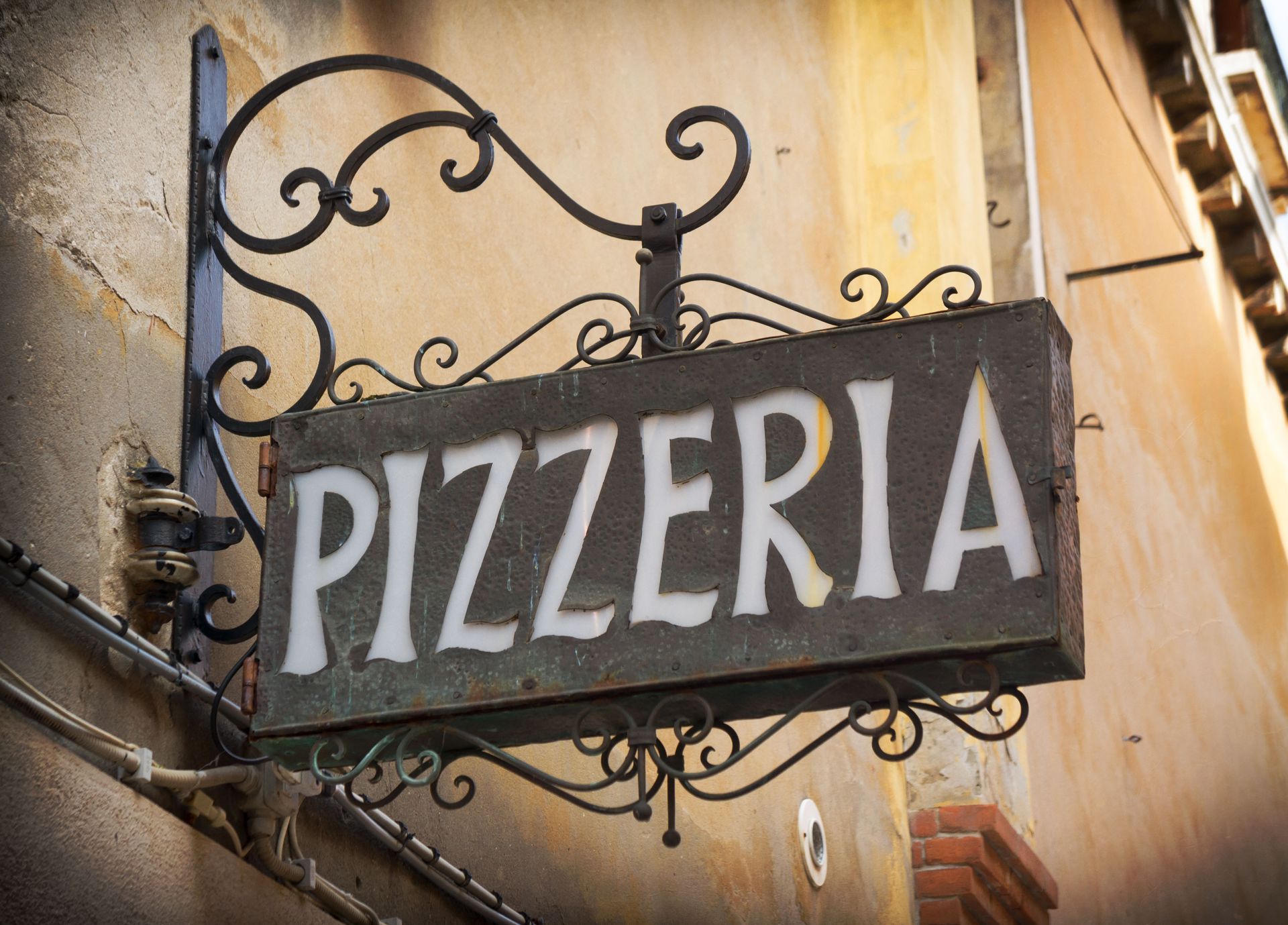
Visible damage is one of the clearest reasons to replace or update a business sign. Cracks, peeling finishes, faded graphics, broken lighting, rust, warping, and missing letters can make a property look neglected even when the business itself is well maintained. Customers often form quick opinions based on exterior appearance, so a damaged sign may unintentionally suggest that the company pays little attention to details. Minor wear may be repairable, but extensive deterioration often indicates that replacement will provide a cleaner and more reliable result.
Weather exposure can speed up this process, especially for signs that face direct sunlight, strong winds, rain, snow, or temperature changes. Materials that once looked sharp can gradually lose color, structural stability, or brightness. Sign companies can inspect the condition of panels, supports, electrical components, mounting systems, and finishes to determine whether repairs are still worthwhile. Replacing a severely worn sign can improve curb appeal while reducing the chance of repeated maintenance costs.
Consider Updating Signs When Branding No Longer Matches
A business may outgrow its original branding even when the sign itself remains in good physical condition. A new logo, updated color palette, revised company name, or different style can make older signage look disconnected from websites, packaging, uniforms, and marketing materials. Consistent branding helps customers recognize a company across different channels, so an outdated sign can create confusion or weaken the visual identity the business is trying to establish.
Updating signage after a rebrand also gives owners an opportunity to improve readability and simplify the message. Older designs may include too much text, dated fonts, or colors that do not stand out from the surrounding environment. Professional sign companies can help translate current branding into signage that remains clear from appropriate viewing distances. A refreshed sign can make the property feel more current while reinforcing the same visual identity customers encounter online and in other promotional materials.
Consider Replacing Signs When Visibility Starts to Decline
A sign only works well if people can see and understand it quickly. Trees may grow into sight lines, nearby development may change traffic patterns, or new buildings and competing signs may reduce the visibility of a display that once stood out. Lighting can also become less effective over time, making the sign difficult to read at night. If customers regularly miss the entrance, ask for directions, or mention that the business was hard to find, the current signage may no longer be doing its job.
Improving visibility may involve increasing letter size, changing contrast, repositioning the sign, adding illumination, or installing an additional directional sign. Sign companies can review viewing angles, traffic speed, distance, placement, and surrounding visual clutter before recommending changes. These adjustments can be especially valuable for businesses located in shopping centers, industrial areas, busy corridors, or properties with entrances set back from the road. A more visible sign can help customers locate the business faster and with less frustration.
Consider Updating Signs When Customer Expectations Change
Customers increasingly expect businesses to communicate information quickly and clearly. Static signage may still be appropriate for identification, but some companies benefit from displays that can be updated with hours, promotions, events, service changes, or seasonal messages. According to Wallboard, 80% of customers are more inclined to visit a store that features digital signage. For businesses that frequently change offers or announcements, digital options can make communication more flexible without requiring new printed materials each time.
Modern signage can also support a more engaging customer experience by highlighting timely information at the point of arrival or purchase. Restaurants can feature specials, retailers can promote new products, and service businesses can display appointment information or important notices. Sign companies can help determine whether digital signage makes sense for the location, audience, and budget. The goal should not be to add technology simply because it is available, but to use it when it improves communication and supports how customers interact with the business.
Consider Replacing Signs When Repairs Become Too Frequent
Repeated repairs can eventually cost more than replacing an aging sign. Electrical issues, failing LEDs, loose panels, damaged faces, corroded hardware, and recurring paint or finish problems may indicate that the sign has reached the end of its practical service life. Frequent service calls also create downtime, and a partially illuminated or visibly patched sign can continue to affect the appearance of the property between repairs.
Business owners should compare the cost of continuing maintenance with the long-term value of a new installation. Newer materials and lighting systems may offer better durability, energy efficiency, and easier maintenance than older components. Sign companies can explain which parts are causing repeated problems and whether replacement would provide a more dependable solution. Investing in a new sign may reduce ongoing repair expenses while giving the business a cleaner, more modern appearance.
Consider Updating Signs When Business Information Changes
Signage should always reflect accurate information. Changes in phone numbers, websites, operating hours, services, tenant names, parking instructions, entrances, or building directories can quickly make existing signs misleading. Even small inaccuracies create inconvenience for customers and may make the business appear disorganized. Temporary patches can work for short transitions, but long-term changes usually deserve a more polished update that fits the rest of the signage system.
Growth can also create the need for additional wayfinding and identification. A company that expands into a larger building, adds departments, changes entrances, or shares a property with other tenants may need clearer navigation. Sign companies can evaluate how customers move through the property and recommend updates that make important destinations easier to find. Keeping information current supports a smoother customer experience and helps employees spend less time giving basic directions.
Consider Replacing Signs When the Property Gets Renovated
A building renovation can make older signage look out of place even if it is still functional. New exterior colors, architectural features, landscaping, lighting, windows, or entryways may change the overall appearance of the property. Updating the sign at the same time helps create a cohesive finished look rather than leaving a dated element attached to a newly improved façade. This can be especially important when renovations are intended to reposition or modernize the business.
Coordinating signage with construction also creates opportunities to improve placement, wiring, mounting, and scale before the project is complete. Sign companies can work with contractors, designers, and property managers to make sure signage fits the updated architecture and meets practical installation requirements. Planning early may reduce the need to modify finished surfaces later. A well-integrated sign can feel like part of the building design instead of an afterthought.
Business signs should evolve as the company, property, and customer experience change. Physical damage, outdated branding, poor visibility, changing expectations, repeated repairs, inaccurate information, and property renovations can all signal that it is time for an update or replacement. Reviewing signage regularly helps businesses maintain a professional appearance and ensures customers can find, recognize, and understand the company with ease. When the time comes to improve your signage, contact Signs in One Day for professional help creating a solution that fits your business.


Share On: